Para maagapan ang lumalaking problema: Yamsuan pushes measure institutionalizing an e-waste management system
Advertisers
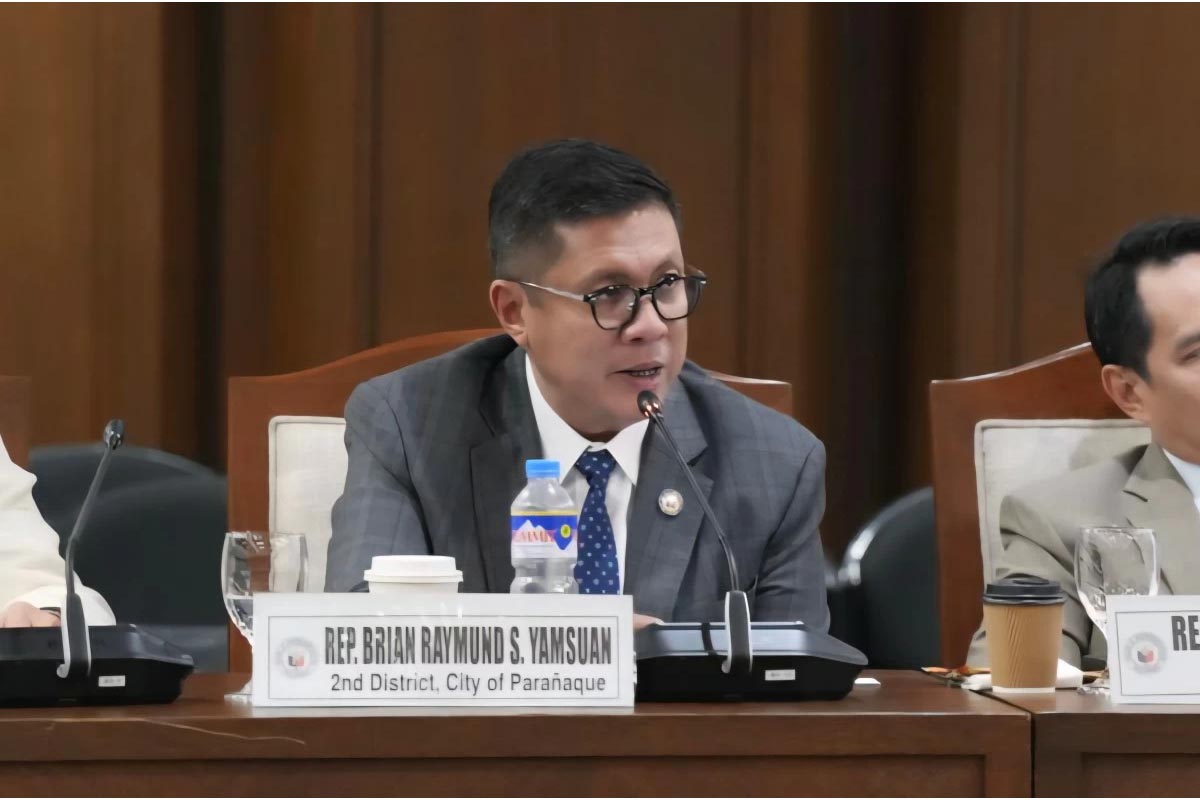
Parañaque 2nd District Representative Brian Yamsuan has urged Congress to fast-track the approval of a measure that aims to put in place a comprehensive system to manage the collection, recycling and disposal of the country’s rapidly growing heap of electronic waste (e-waste).
In filing House Bill (HB) 11462 or the proposed National E-Waste Management Act, Yamsuan expressed concern over the Philippines’ lack of clear standards and regulations in disposing of discarded electronics, which if left unaddressed, could become a public health problem and an environmental threat.
E-waste refers to discarded computers, mobile phones, appliances, spare parts, and fast-tech gadgets such as cheap cables, USB adapters, single-use vapes, mini-fans, powerbanks and electronic novelty items.
Improper disposal of e-waste pollutes the air, soil, water and surrounding communities with toxic substances such as lead, mercury, cadmium and other hazardous materials. This means eventually contaminating the water we drink and use, the food we eat, and the air we breathe.
“Huwag na nating hintayin na maging ga-bundok pa ang problemang ito, lalo na ngayon na napakabilis nang pagpapalit ng teknolohiya at maging ng mga electronic devices natin. In this digital world, we need a comprehensive system that would strictly regulate how we collect, reuse, and dispose of e-waste before this problem turns into a crisis,” Yamsuan said.
Yamsuan said that while there are existing environmental laws governing the disposal of municipal solid waste, toxic substances, hazardous and nuclear wastes, these hardly cover the urgent need to establish a framework to properly manage the country’s mounting e-waste burden.
Under Yamsuan’s proposed measure, the Department of Environment and Natural Resources (DENR) shall be the lead agency in regulating and enforcing rules and regulations on the proper segregation, collection, transport, storage, reuse, recycling and disposal of e-waste.
Recognizing that the government cannot tackle the e-waste problem alone, HB 11462 also institutionalizes Extended Producer Responsibility (EPR) by requiring manufacturers, brand owners, and importers to establish or take part in systems for the recovery, recycling, or safe disposal of electronic products they introduce to the Philippine market.
To develop a domestic e-waste recycling and resource recovery industry and create more jobs, the measure provides for the training of junk shop operators and other workers engaged in informal recycling. The bill also aims to ensure that they are provided appropriate safety equipment and accreditation, while integrating them into the formal collection and recycling supply chains.
Local government units (LGU) also play a key role as they are mandated under the bill to integrate e-waste collection into their local solid waste management plans, establish designated e-waste materials recovery facilities or collection points, and conduct public information campaigns on the proper disposal of e-waste.
“This proposed measure, is therefore, a whole-of-nation approach to this growing problem. It aims to turn e-waste from being an emerging environmental and health liability into an opportunity for responsible innovation and a more circular economy,” Yamsuan said.
According to independent studies, in 2022 alone, the Philippines generated approximately 537,000 tonnes of e-waste, which is equivalent to more than 13,000 40-ton trucks. The Philippines is among the top e-waste producers in Southeast Asia based on the Global E-Waste Monitor 2024 report published by the United Nations.
Under HB 11462, fiscal incentives under the Corporate Recovery and Tax Incentives for Enterprises (CREATE) Act will be provided to registered firms and accredited e-waste Treatment, Storage and Disposal (TSD) facilities.
Prohibited acts under the measure include the indiscriminate disposal or open burning of e-waste, non-compliance with EPR obligations, and the operation or illegal dismantling of an unaccredited e-waste TSD facility.
Fines ranging from P10,000 to P2 million and attendant penalties such as community service, suspension of business permits and imprisonment of between two to six years, depending on the severity of the violations committed, are also provided under the bill.
The Department of Trade and Industry (DTI) shall enforce mandatory product labeling, component standards for reusability, and monitor compliance among Electrical and Electronic Equipment (EEE) retailers and distributors.
The measure also provides for the creation of an E-Waste Management and Innovation Fund under the DENR. Funded through the collection of administrative fines, fees and voluntary contributions, it will be strictly used for the research and development of sustainable electronics, LGU infrastructure subsidies and capacity building programs for informal sector transition. ####