
Para tiyak na ligtas at de-kalidad: Yamsuan calls for periodic inspections, maintenance of DPWH projects
Advertisers
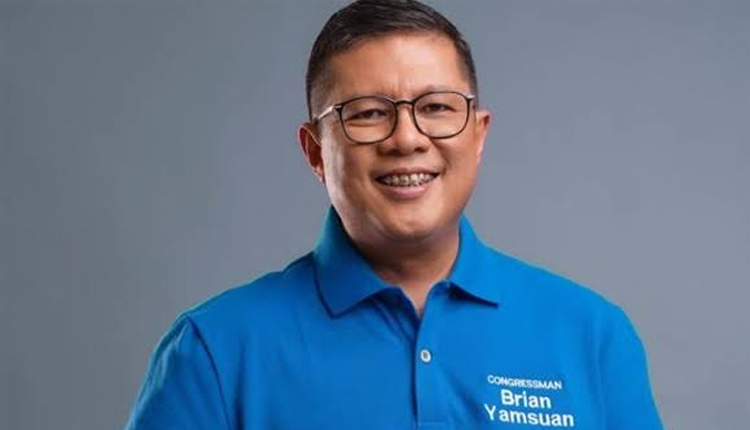
Parañaque 2nd District Representative Brian Yamsuan has proposed the mandatory periodic inspection and maintenance of infrastructure projects implemented by the national government to ensure these public investments remain of high quality and are structurally safe.
Yamsuan has filed House Bill (HB) 9780 which aims to direct the Department of Public Works and Highways (DPWH) to conduct these regular inspections every five to ten years after completion of an infrastructure project.
“Kailangang matiyak na nanatiling ligtas at de-kalidad ang bawat proyekto para naman hindi masayang ang pondo ng gobyerno. The true value of an infrastructure project is not in the construction itself, but in its longevity, safety and usability,” Yamsuan said.
(We need to make sure that each project remains safe and of high quality so that government funds are not wasted.)
Yamsuan said his proposed legislation complements the Transparency Portal and Integrity Chain set up by the Marcos administration to track the progress and fund releases of DPWH projects.
“While these digital portals help monitor the implementation of national government infrastructure projects, periodic physical inspections remain necessary to check on the ground whether these projects still pass engineering safety standards after years of being subjected to severe weather conditions, overloading and other factors that affect their structural integrity,” Yamsuan said.
Yamsuan said institutionalizing this framework elevates the standard for national infrastructure projects and ensure that these are not treated as disposable commodities, but as long-term investments.
“Ultimately, what we want is to safeguard billions in public investments so that taxpayers get their full money’s worth out of these projects for years to come,” he said. ‘
His measure also addresses a recurring issue encountered by the DPWH when conducting inspection or maintenance works on projects involved in ownership disputes or with conflicting land titles.
“This problem is usually seen in older public works implemented years ago. Over time, properties may have changed hands or authority over these sites may have become muddled by the involvement of private developers, homeowners’ associations or other private entities,” Yamsuan noted.
“Consequently, structures fall into disrepair because the government is denied entry or access to perform inspections or maintenance works,” he added.
HB 9780 aims to resolve this issue by mandating the owner or lawful possessor of the sites where these projects are located to allow the government to undertake their inspection, maintenance, repair or rehabilitation.
“Iba po ito sa right-of-way issues para sa mga projects na ipapatupad pa lamang na naayos na sa pamamagitan ng RA (Republic Act) 12289 o ang Accelerated and Reformed Right-of-Way (ARROW) law. Ang ating bill po ay para sa mga existing infrastructure projects na matagal nang nakatayo at kailangan na ng maintenance o rehabilitation,” Yamsuan pointed out.
(This is different from the right-of-way issues for projects that are yet to be implemented, which have already been resolved through RA 12289 or the Accelerated and Reformed Right-of-Way (ARROW) law. Our bill is for existing infrastructure projects that have long been completed and require maintenance or rehabilitation.)
Under the bill, impeding or unjustly refusing access for the conduct of regular and periodic inspections and maintenance of all national infrastructure projects shall be penalized with a fine of not more than P50,000. ###