
The Poignant Story of Father Rudy ROMANO
Advertisers
Ni Oggie Medina
I got a message from my friend Eric Ramos, a Palanca Award-winning writer, for a press conference on the true-to-life story of Father Rudy ROMANO to be shown on December 16, 2026 nationwide, coinciding with the start of the traditional Simbang Gabi.
I remember I entered the Redemptorist Order as a novice in late 1983, after finishing my college degree. Later, I encountered Father Rudy, a young priest. In 1985, I learned about his disappearance. More than four decades after his disappearance, the story of a priest who fearlessly stood up for the poor and oppressed is returning to the big screen, bringing his life and legacy to a new generation.
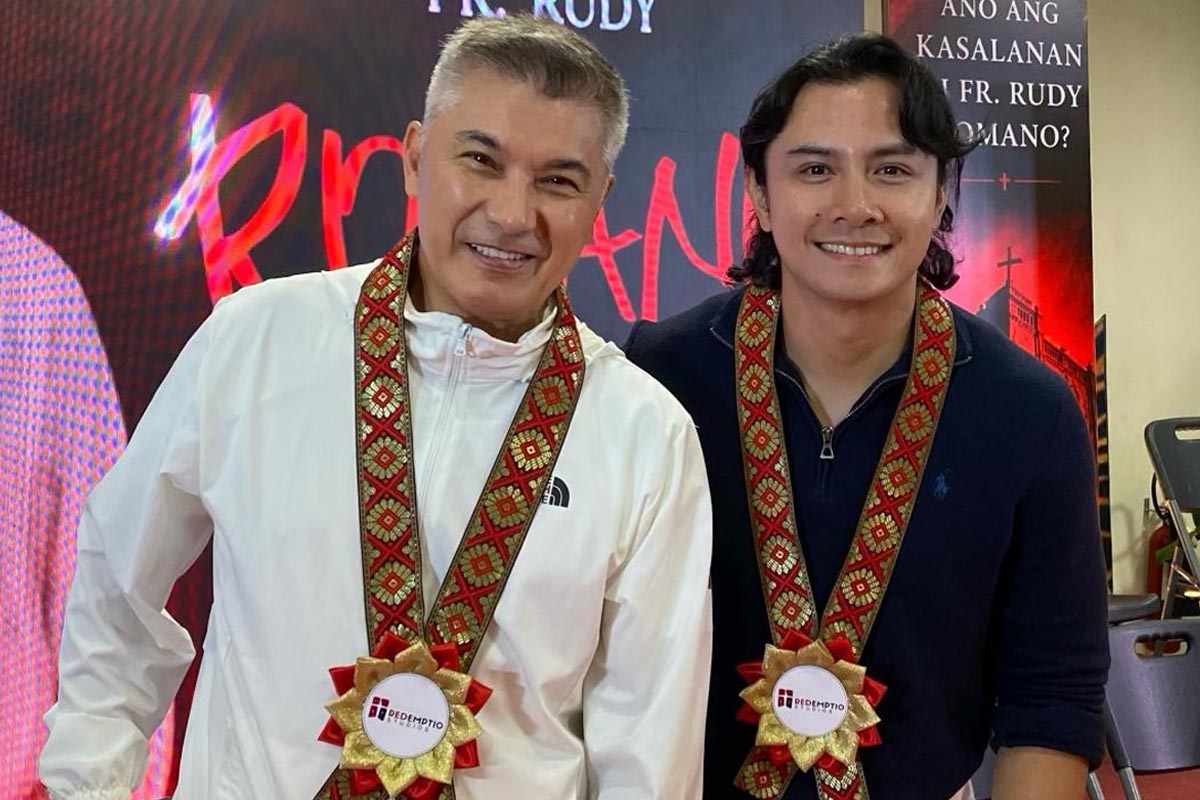
Actor JC Santos takes on the challenging role of Father Rosaleo “Rudy” Romano in “ROMANO”, a biographical drama that revisits the life of the beloved Redemptorist priest whose mysterious abduction in 1985 remains unresolved to this day.
At 44, Father Rudy vanished during one of the most turbulent chapters in Philippine history. His disappearance left behind unanswered questions, but his courage and commitment to human rights continue to resonate with those who remember his fight for marginalized communities.
Shot on location in Cebu, the film aims to introduce Father Rudy’s story to a new generation of Filipino audiences while shedding light on the man behind the enduring mystery. Beyond his advocacy, he was remembered as a warm-hearted and humble priest, known for his humor and genuine compassion for people in need.
For Santos, “Romano” marks his first-ever portrayal of a real-life personality, adding another significant role to his acting career. He now takes on the responsibility of portraying a man whose life was defined by service, courage, and conviction.
Joining him is an ensemble of respected actors, including Albert Martinez as Father Rudy’s father, alongside Cris Villanueva, Allan Paule, Ketchup Eusebio, Raul Montesa, Rolando Inocencio, and Joel Saracho, who portray fellow Redemptorists.
Going beyond the mystery of a missing priest, “Romano” revisits a painful chapter in Philippine history and brings renewed attention to a man whose fight for the voiceless deserves to be remembered.