
Remembering EDSA People Power Revolution
Advertisers
Ni Oggie Medina
In 1986, I first came at Isetann in Cubao that evening. Then later on the corner of Ortigas Avenue and EDSA. There was no EDSA Shrine then. I remember photographer Ms. Mandy Navasero who “has really balls”, having bravery and guts despite being female to take a significant risk or stand up in a difficult situation.
I was stringer for Asahi Shimbun, a Japanese newspaper (in later years I was with The Japan Times newspaper as correspondent and as columnist for The Japan Times Weekly Magazine).
As we celebrated the 40th anniversary of EDSA, I came to ask myself, “Is EDSA revolt a fluke?”
I believe that the EDSA People Power Revolution of February 1986 was not a fluke. The uprising was not an accident of fate but it was the culmination of decades of societal pressures, organized activism, and moral courage.
What made EDSA revolt extraordinary was “the discipline and nonviolent resolve of millions of ordinary Filipinos. Unarmed citizens formed human barricades, defying potential violence and signaling to the world that tyranny could not withstand collective moral force.”
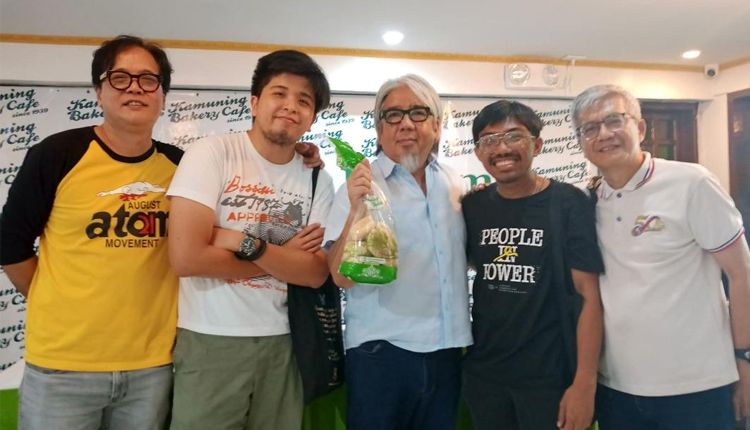
During the recent Pandesal Forum at Quezon City’s Kamuning Bakery Cafe, owned by my good friend Wilson Lee Flores (my former colleague at the National Midweek Magazine and the Philippine Star), I listened attentively to speakers Josef Alec Geradila of the National Historical Commission of the Philippines, Voltaire Bohol of ATOM Philippines, Karl Patrick Suyat of Project Gunita, Ms. Geraldine Jentozala-Juachon, and writer Renato Redentor Constantino (grandson of historian Renato Constantino) of the Constantino Foundation. I was looking forward to seeing them anew.
Truly EDSA revolt remains a testament to what organized society can achieve—not luck, but deliberate action under extraordinary circumstances.